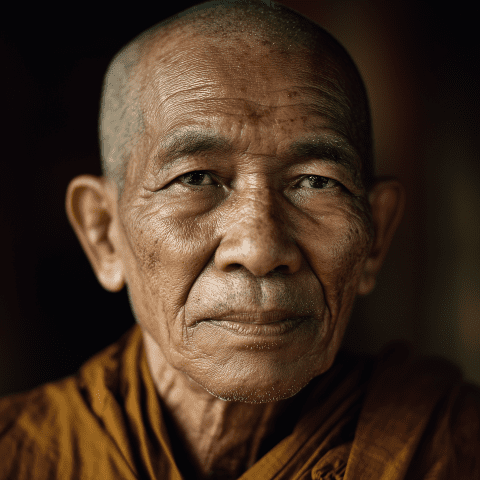
“Please show me who I am so that I may become what I am.”
Becoming What You Are is the practice of embracing all aspects of yourself—including what you’ve labeled as “mistakes,” “flaws,” and “failures”—as essential ingredients in your unique expression of life. It’s recognizing that your contradictions aren’t problems to solve but qualities that make you magnificently human.
Imagine an oak tree apologizing for not being a pine, or trying to grow pine needles to fit in. Absurd, right? Yet we spend enormous energy trying to be someone other than who we are, editing our personalities, hiding our quirks, and managing our contradictions. Becoming What You Are is the practice of growing into your own species of human.
The core insight: Your so-called imperfections are often your greatest gifts in disguise. What makes you weird makes you wonderful.
The Difference
Self-Improvement (Becoming Someone Else):
- Focuses on fixing what’s “wrong” with you
- Compares your inside to others’ outsides
- Seeks to eliminate aspects of your personality
- Measures progress by conformity to external standards
- Creates internal war between who you are and who you “should” be
Self-Acceptance (Becoming What You Are):
- Celebrates your unique constellation of traits
- Honors your authentic preferences and responses
- Integrates all aspects of yourself into wholeness
- Measures growth by alignment with your true nature
- Creates internal peace and external authenticity
Daily Practices
The Authenticity Audit:
Each week, examine different life areas:
- Energy: What activities energize versus drain you?
- Values: Where are you compromising what matters most?
- Expression: When do you feel most like yourself?
- Relationships: Who brings out your best versus who requires you to perform?
- Environment: What settings allow you to thrive?
The Shadow Integration Practice:
Notice qualities you judge in yourself or others, then explore:
- How does this trait serve me or the world in some way?
- What gifts are hidden within this quality?
- How can I express this part of myself more consciously?
Example: If you judge your “stubbornness,” explore how it might also be persistence, commitment to values, or protection of important boundaries.
The Appreciation Inventory:
Daily, identify:
- One thing you appreciate about your personality
- One “flaw” that might actually be a strength in disguise
- One way you contributed uniquely to someone’s day
- One aspect of yourself you’ve been trying to change that deserves acceptance
The Becoming Journal:
Write regularly about:
- “I am becoming someone who…”
- “I am releasing the need to…”
- “I am embracing my tendency to…”
- “I am trusting that my…”
Notice how this language of becoming feels different from language of fixing.
Reflection Questions
Share your experiences in the comments:
- What hero am I becoming through my imperfections?
- What aspect of myself have I been hiding that deserves expression?
- When do I feel most authentically myself?
- What “flaw” might actually be a hidden gift?
- How do my contradictions make me uniquely me?
The Gifts of Your “Flaws”
Common “negative” traits and their hidden gifts:
- Perfectionism → Attention to detail, high standards, beautiful craftsmanship
- Stubbornness → Persistence, commitment to values, protection of principles
- Sensitivity → Empathy, intuition, ability to notice subtleties others miss
- Impatience → Sense of urgency, efficiency, catalyst for necessary change
- Overthinking → Thoroughness, pattern recognition, strategic planning
- Emotional intensity → Passion, authenticity, ability to inspire others
- Quirkiness → Creativity, unique perspective, seeing outside conventional boxes
What “flaw” are you learning to appreciate? Share your discoveries.
Integrating Your Contradictions
Most people try to resolve their contradictions. Becoming What You Are means embracing them:
- The Ambitious Procrastinator
- The Confident Worrier
- The Social Introvert
- The Organized Free Spirit
- The Logical Dreamer
- The Gentle Warrior
Which contradictions do you embody? How do they work together to create your unique wholeness?
The Ripple Effect
When you become what you are:
Personal Impact:
- Increased energy from living in alignment
- Reduced anxiety from dropping performance pressure
- Greater creativity from accessing your natural gifts
- Deeper satisfaction from meaningful contribution
Relational Impact:
- Others feel permission to be authentic around you
- Relationships deepen through genuine connection
- You attract people who appreciate your true self
- You inspire others to embrace their own uniqueness
Remember: You are not a rough draft in need of revision—you are an original masterpiece in the process of full expression. The goal isn’t to become perfect; it’s to become perfectly yourself.
What are you becoming?